Why Korean Feels So Hard, Even After Studying
Studying Korean but still struggling to understand it? You might be missing an important part of the learning process. Here’s what it is and how to start.

8 views
How most people start learning Korean
Most Korean learners start with the same three things: Hangul (한글), the Korean alphabet, some everyday words, and a little grammar. But is that enough to actually understand Korean?
- Hangul
- Words
- Grammar
?The missing piece
You might recognize hundreds of words on flashcards and know how to put a sentence together. Yet when you watch a Korean video or have a conversation, even familiar words can be hard to catch.
That’s because learning about Korean isn’t the same as understanding Korean. Words and grammar can help you understand the language. But to get better at understanding Korean, you need to spend time actually understanding it.
You’re not bad at Korean. This is the step many Korean learners are missing.
The missing step: Korean you can actually understand
The missing step is spending time with Korean you can actually understand. You don’t need to wait until you’ve learned enough words or grammar. You can start from day one.
Learning about Korean is knowing that 사과 means “apple.” Understanding Korean is hearing 사과 먹어요 and knowing what’s happening. Learning words and grammar can help you understand Korean. But understanding Korean should be at the heart of your learning.
Can complete beginners understand Korean?
Yes, even if you haven’t learned Hangul yet. You also don’t need hundreds of words or a finished grammar book first. What matters more is the material in front of you.
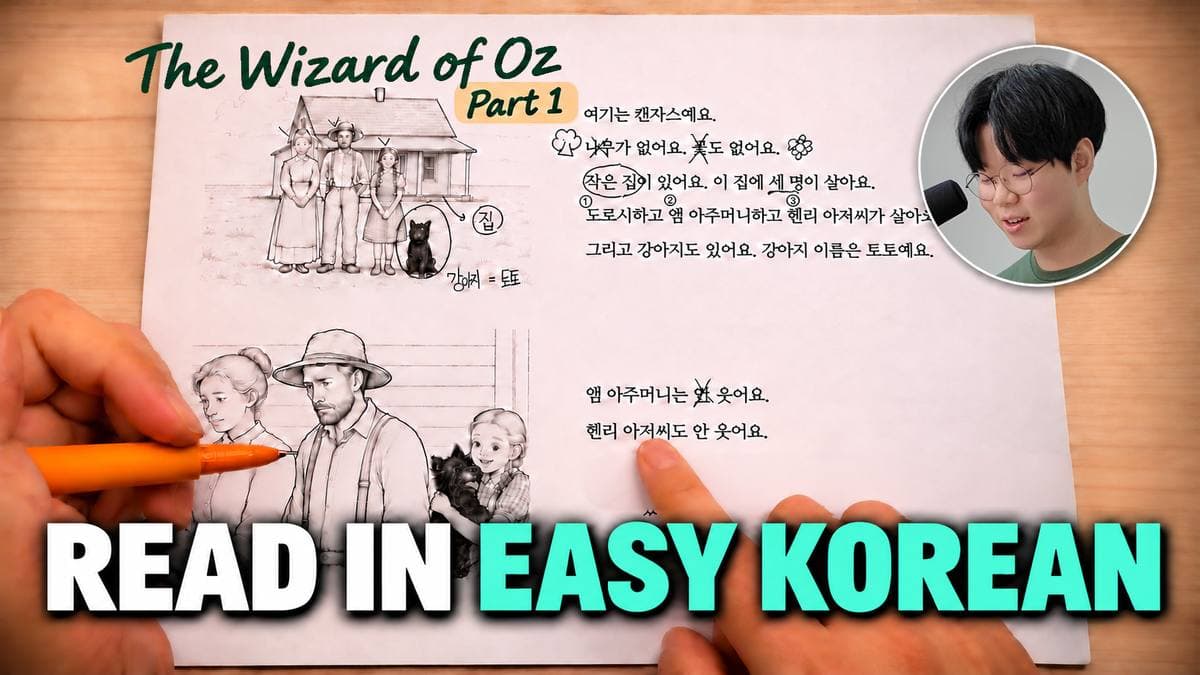
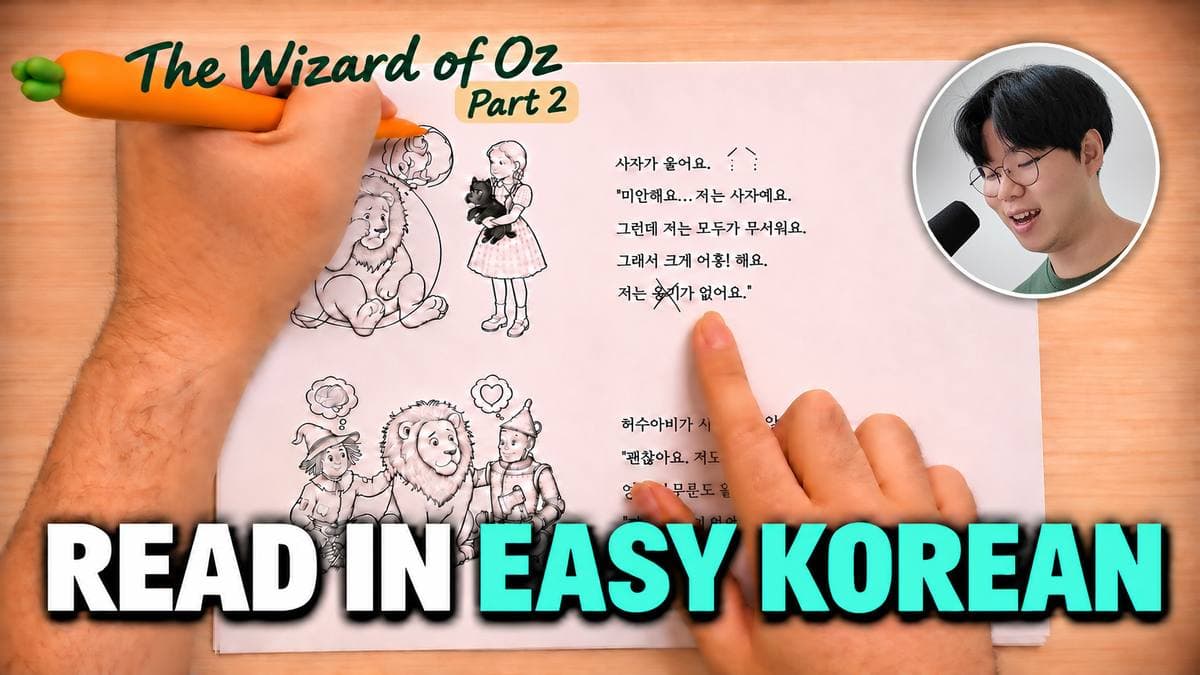
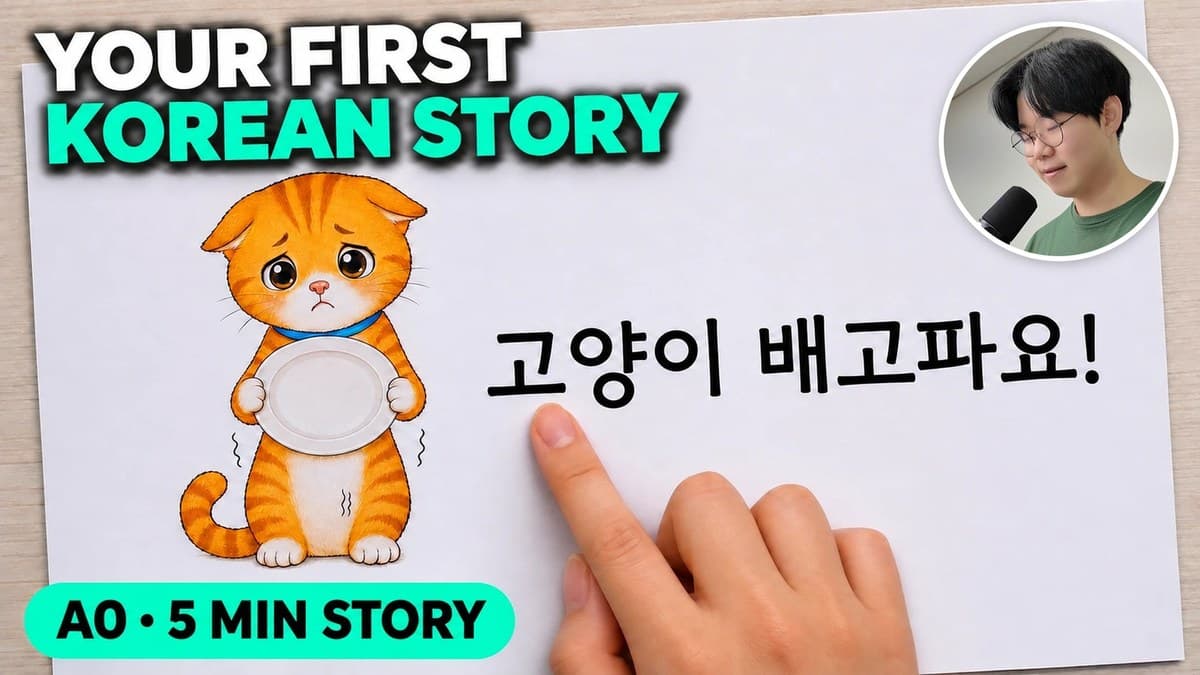
Want to see how it works? Try following this short story in Korean.
Why understanding Korean helps you learn it
So what happens when you understand Korean like this? You begin to connect the sounds you hear with their meaning. You don’t even need to read Hangul for that to happen.
You hear
You see
You understand
먹어요

“I get it!”
The first time you hear 먹어요, you might need a picture to understand it. Then you hear it again when someone is eating an apple, having lunch, or talking about dinner. Over time, 먹어요 becomes more familiar, and you may find yourself understanding it without needing a picture.
That’s why it’s worth spending more of your study time with Korean you can actually understand. The more Korean you understand, the more opportunities you have to acquire the language.
In language learning, this kind of understandable language is called comprehensible input.
What is comprehensible input?
Comprehensible input (CI) is language you can understand, even when some of the words and expressions are new to you.
We acquire language … when we understand messages.
 Stephen KrashenLinguist | Professor Emeritus at USC
Linguist Stephen Krashen helped popularize the idea that we acquire a language by understanding what we hear and read. Just like in the 먹어요 example above, you can understand Korean through pictures, actions, and context without having to translate every word.
Not all Korean input is comprehensible input
Watching Korean dramas or listening to Korean podcasts gives you exposure to Korean. But if you can barely follow what’s being said, much of that input isn’t comprehensible to you yet.
So what kind of Korean should you spend your time with?
Krashen explains this through a concept called i + 1.
- iis your current level of Korean.
- + 1is language that’s a little beyond your current level.
The idea is to encounter new Korean while still being able to follow the overall message.
And you don’t need to know a lot of Korean to get started. With pictures, gestures, familiar situations, and repetition, even complete beginners can start understanding Korean from their very first day.
Learn more about Korean comprehensible input
Learning Korean through stories
One of the easiest ways to get more comprehensible input is through stories.
In a beginner-friendly Korean story, pictures help you follow what’s happening, familiar expressions appear again and again, and the storyline gives you clues about new words.

배고파요.
바나나 먹어요. 맛있어요!

사과 먹어요. 맛있어요!
When you read Korean this way, focusing on understanding the story rather than translating every sentence, it’s called comprehensible reading. And if you haven’t learned Hangul yet, you can start by listening to narrated stories and following the pictures.
How to get started with Korean stories
- 01
Choose a story you can follow
Start with easy Korean stories that match your level and give you enough context to understand what’s happening.
- 02
Focus on the story, not every word
You don’t need to look up every unfamiliar expression. Use the pictures and context to follow the meaning.
- 03
Make it part of your daily routine
Start with 5 to 10 minutes a day and gradually spend more time with Korean you can understand.
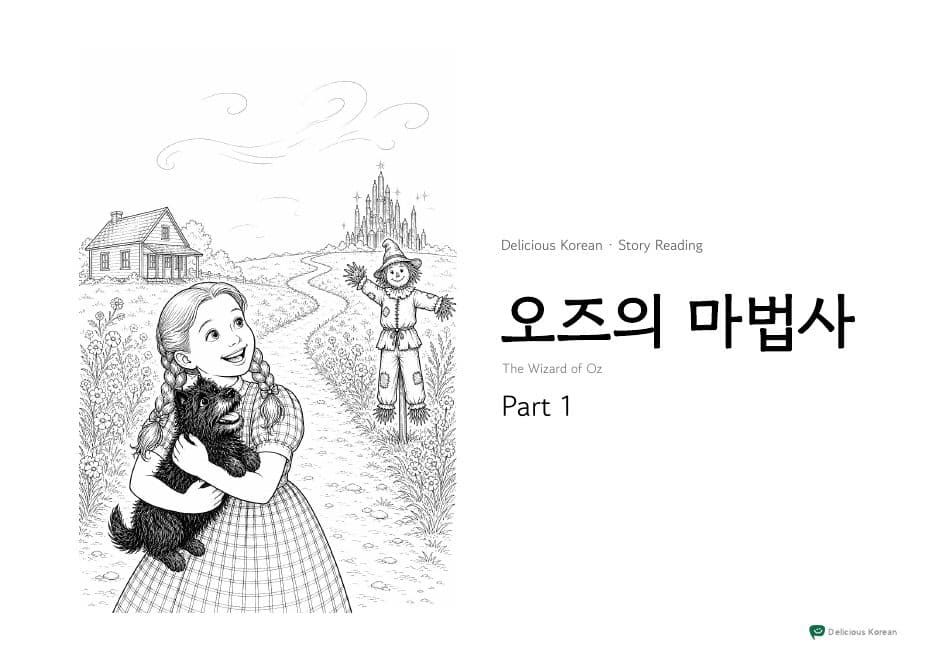
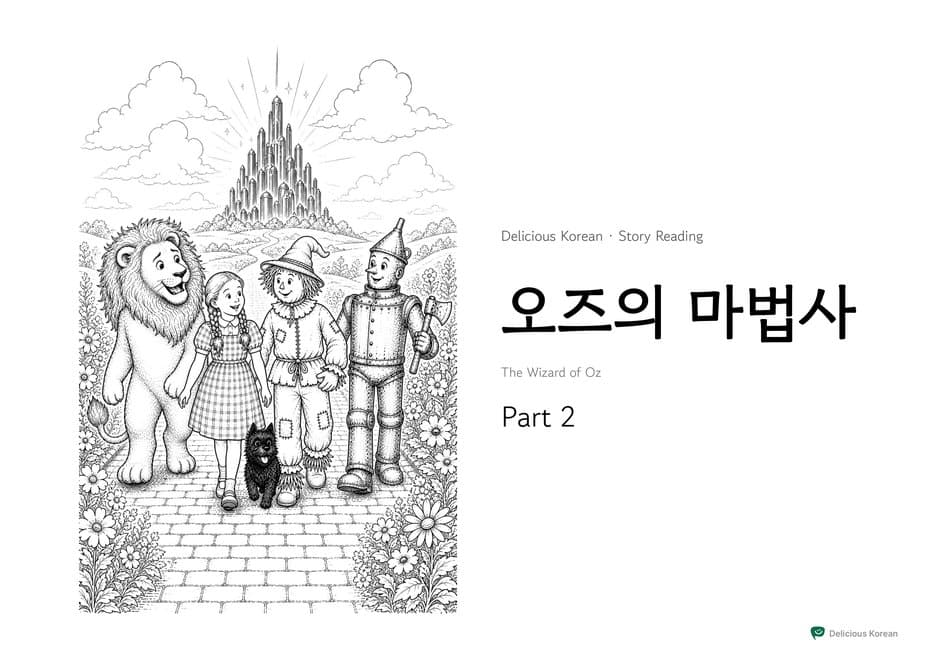
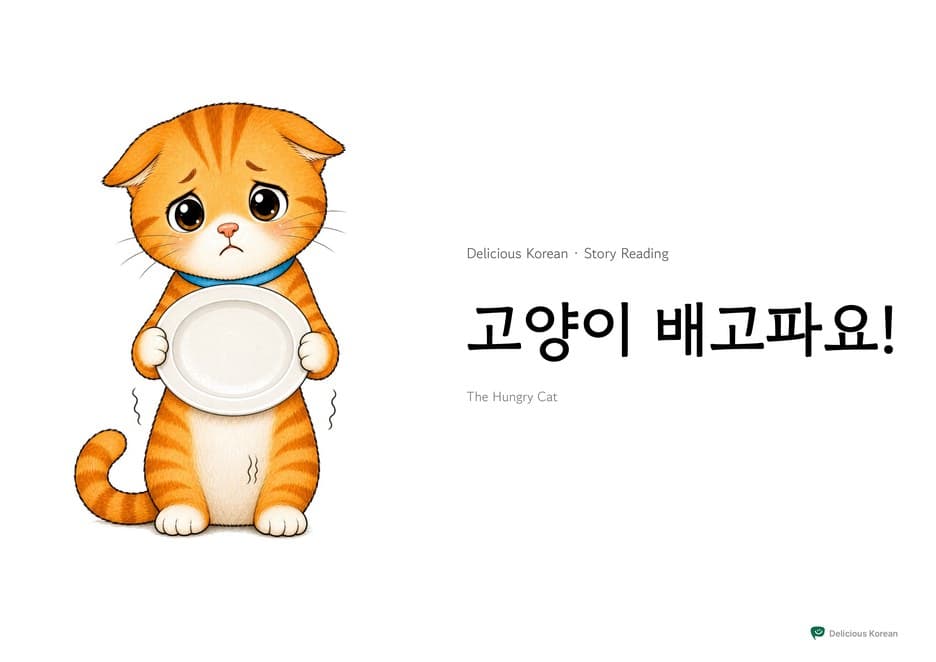
Get the nextKorean story!
Keep learning with easy Korean stories you can actually understand.
Learning Korean through comprehensible input: FAQ
Knowing what Korean words mean and recognizing them in real speech are two different things. To get better at understanding Korean, you need plenty of experience hearing and reading Korean you can actually follow. Vocabulary and grammar can support this process, but understanding Korean should be at the heart of your learning.
Comprehensible input is language you can understand, even when some of the words are new to you. In Korean learning, it means spending time with Korean you can follow through pictures, gestures, context, and repetition, without translating every word.
Yes. When you read a story you can follow, you see Korean words and expressions used in context, and the same ones keep coming back. Each time you understand them, they become easier to recognize.
Yes. You don’t have to wait until you can read Hangul to start understanding Korean. With a narrated story, you can listen and follow the pictures. Learning Hangul along the way lets you read the stories yourself, too.
Start with short stories that have clear pictures, everyday words, and lots of repetition. If you can follow what’s happening without stopping at every sentence, the story is at a good level for you.
No. Try to follow what’s happening first. If a word keeps coming back and you’re curious about it, it’s fine to look it up. But you don’t need to turn every story into a vocabulary exercise.
They’re useful, so there’s no need to drop them. Make understanding Korean a central part of your learning, and use vocabulary and grammar study to support that process.
You can read and watch free beginner stories on the Delicious Korean blog. They use short sentences, pictures, and words that keep coming back, and each one comes with a video where the story is read aloud. Start with The Hungry Cat